Trends Shaping Pharmaceutical Contract Manufacturing Companies
Key trends transforming pharmaceutical contract manufacturing companies
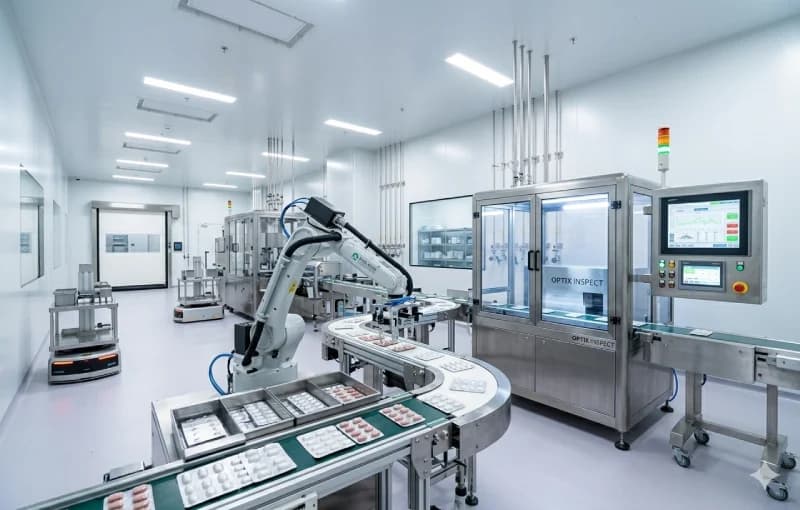
Drug development has changed fast in the past decade. A surprising shift sits behind that change. Over 70 percent of pharmaceutical companies currently outsource drug development or manufacturing segments to outsourcing firms. The reason is simple. Building and running a full manufacturing infrastructure is expensive and slow.
That change has relegated Pharmaceutical Contract Manufacturing Companies to the heart of the pharmaceutical supply chain. These companies assist pharma and biotech companies in changing the research into production without constructing their own facilities.
There are a number of trends transforming the functioning of these companies. Their study can guide pharmaceutical executives to partner with organisations that are more appropriate and prepare the future of drug production.
The Rise of Outsourcing in Drug Development
Pharmaceutical companies used to handle most production internally. That model no longer works for many firms.
Drug pipelines are expanding. Development timelines are shrinking. At the same time, regulatory requirements continue to grow.
Due to this fact, pharmaceutical firms are more and more focusing on the Pharmaceutical Contract Manufacturing Companies to have specialized facilities.
Key reasons behind this shift include:
Cost efficiency compared with building internal facilities
Access to specialized technologies, such as biologics manufacturing
Faster scale-up from clinical trials to commercial production
Global regulatory expertise
Biotech startups especially depend on contract manufacturers. Many of them focus entirely on research while outsourcing manufacturing from day one.
Growing Demand for Biologics Manufacturing
The pharmaceutical industry used to be dominated by small molecule drugs. That balance is changing.
Biologics have now become one of the rapidly expanding types of drugs. Such treatments are monoclonal antibodies, vaccines and cell-based treatments.
The process of biologics production is complicated. Oncology centers need sophisticated setups, sterile settings and highly qualified staff.
Numerous drug firms do not have these facilities within their own organisations. Consequently, the demand for Pharmaceutical Contract Manufacturing Companies that have a background in biologics is on the increase.
Important capabilities in this space include:
Cell culture development
Bioreactor-based production
Advanced purification processes
Cold-chain logistics
Manufacturers that invest in biologics infrastructure early sometimes getting long term relationships with pharmaceutical firms.
Smaller Batch Production and Flexible Manufacturing
Drug development today looks very different from twenty years ago.
Individualized medicine, treatments of rare diseases, and targeted medicine have altered manufacturing requirements. Not all the products need large batch production.
Pharmaceutical companies now seek partners that can handle small and mid-scale batches efficiently.
Contract manufacturing enables flexible manufacturing systems so that they can easily switch between various drug products.
Modern facilities often include:
Modular production units
Multi-product manufacturing lines
Rapid changeover processes
This flexibility helps companies move faster from clinical trials to commercial production.
Digitalization Across Manufacturing Operations
Digital tools are quietly transforming pharmaceutical production.
Intellectual tracking of data, monitoring of processes and automation are enhancing efficiency throughout the manufacturing lifecycle.
Leading Pharmaceutical Contract Manufacturing Companies now rely on technologies such as:
Manufacturing execution systems
real-time process monitoring
predictive maintenance tools
digital supply chain platforms
These technologies enhance regulatory compliance and transparency. They also enable the pharmaceutical clients to keep a closer eye on the performance of production.
The digital transformation is not a choice anymore. Manufacturers that do not refresh themselves risk losing out on competition.
Stronger Focus on Regulatory Compliance
The process of drug production is put under strict regulatory supervision. Governments like the U.S. Food and Drug Administration and the European Medicines Agency have strict regulations of safety and quality.
The contract manufacturers have to show that they have met the standards of Good Manufacturing Practice in totality.
Pharmaceutical companies evaluate partners carefully before signing long-term agreements.
Important compliance factors include:
validated manufacturing processes
facility inspections and certifications
traceable documentation
quality assurance systems
Manufacturers with strong regulatory records often become preferred partners for global pharmaceutical companies.
Conclusion
The modern pharmaceutical development has made contract manufacturing an essential element. The future of biologics is being formed by emerging demands, adaptable production models, digitalization and resolute regulatory anticipations.
Pharmaceutical companies no longer view outsourcing as a secondary option. Instead, Pharmaceutical Contract Manufacturing Companies are the strategic partners that help to introduce the innovation, produce at scale, and ensure rapid access to drugs in the whole world.
Platforms such as MAI CDMO Network help pharmaceutical companies identify the right manufacturing partners and navigate the growing global CDMO landscape