How Fill Finish CDMOs Validate and Qualify Sterile Lines
The Backbone of Patient Safety: Navigating Aseptic Process Simulation and Equipment Qualification in Sterile Manufacturing.
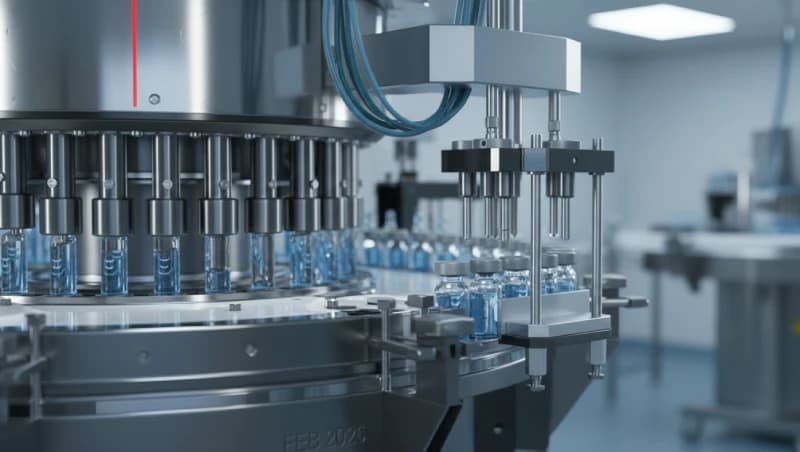
A single sterility failure can erase years of development, millions in investment, and trust with regulators. In sterile injectables, there is no room for “almost right.” That reality shapes how every fill-finish CDMO approaches line validation and qualification. This process is not paperwork. It is the backbone of patient safety and product approval.
This blog breaks down how sterile lines are validated, what regulators expect, and where experienced injectable CDMOs focus their time and resources.
Why Sterile Line Validation Is Non-Negotiable
Injectable products bypass the body’s natural defenses. Any contamination travels straight into the patient. Regulators know this, and expectations reflect that risk.
For a fill-finish CDMO, validating a sterile line proves three things:
• The equipment works as intended.
• The process is repeatable.
• The environment stays under control, batch after batch.
The process of validation is not a single milestone. It is a system that promotes continuous business supply.
Step 1: Facility and Equipment Readiness
Before the product ever enters the picture, the sterile line itself must be qualified.
This starts with the cleanroom. Airflow patterns, pressure cascades, and particulate control are mapped and tested. Even small airflow dead zones can become contamination traps.
Equipment qualification follows a structured path:
Installation Qualification (IQ)
Verifies that the line is fitted properly, with recorded documentation, utilities and layouts.
Operational Qualification (OQ)
Challenges the line across defined operating ranges. Filling speed, stopper placement, crimping force and alarms are tested.
Performance Qualification (PQ)
Demonstrates consistent performance under routine conditions, often using media fills instead of product.
Experienced injectable CMOs invest heavily here because weak equipment data creates long regulatory delays later.
Step 2: Media Fills and Aseptic Process Simulation
Media fills are the most visible part of sterile validation. They replace the product with a growth medium and simulate worst-case conditions.
Key design elements include:
• Maximum run length.
• Planned and unplanned interventions.
• Line stoppages and restarts.
• Shift changes.
Every operator action is intentional. The goal is stress testing the process, not showing a perfect run.
Repeated success across media fills builds confidence that the aseptic process can protect the real product under pressure.
Step 3: Environmental Monitoring Strategy
Sterile qualification lives or dies by environmental control.
Monitoring programs track:
• Viable and non-viable particles.
• Surface contamination.
• Personnel gowning performance.
Trending matters more than single results. A fill finish CMO with strong sterility assurance watches data patterns closely and acts early when drift appears.
Regulators expect clear alert and action limits, plus documented investigations when excursions occur.
Step 4: Personnel Qualification and Training
People remain the highest contamination risk in aseptic processing.
Operators must qualify on:
• Gowning procedures.
• Aseptic techniques.
• Line-specific interventions.
Requalification is routine, not optional. Leading injectable CDMOs treat training as a living system, updated after deviations, audits, or process changes.
Step 5: Process Validation with Product
Once the sterile line proves itself with media, product validation begins.
Process validation typically covers:
• Three consecutive commercial-scale batches.
• Defined critical process parameters.
• In-process controls and acceptance criteria.
Fill weight accuracy, container closure integrity, and sterility results are evaluated together. Regulators want to see alignment between process design and actual performance.
Real-World Insight from the Field
A European injectable CDMO supporting a Phase III oncology product faced repeated stopper misplacement issues during validation. Rather than rushing corrective action, the team paused validation, re-mapped airflow near the stopper bowl, and adjusted line speed. The fix delayed timelines by weeks but prevented a potential post-approval recall.
That decision saved years of downstream risk.
What Sponsors Should Ask a Fill Finish CDMO
Sterile qualification varies widely across providers. Sponsors benefit from asking direct questions:
• How often are media fills repeated?
• How are worst-case interventions defined?
• What triggers revalidation?
• How is environmental data trended over time?
Clear answers signal maturity. Vague ones signal risk.
Why Validation Strategy Matters Long Term
Sterile line validation influences:
• Inspection outcomes.
• Supply reliability.
• Scale-up success.
• Lifecycle changes.
A robust approach reduces surprises during audits and supports smoother tech transfers as products grow.
Sterile Validation Defines Manufacturing Excellence
Sterile line validation is not a checklist. It is a discipline built on experience, data, and controlled execution. Strong fill finish CDMOs treat qualification as a core capability, not a regulatory hurdle. By knowing this distinction, sponsors make use of wiser partners and safeguard their products before they fall into the hands of patients.
Platforms like MAI CDMO Network help teams identify manufacturing partners with the right sterile expertise, validation depth, and operational maturity for injectable programs that cannot afford failure.